
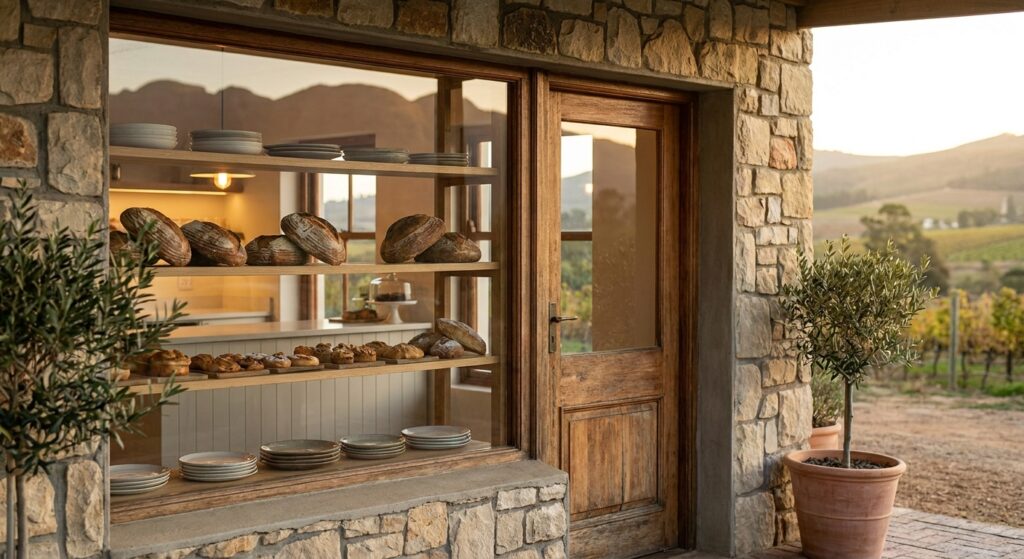
Navigating the Market: Finding a Boutique Bakery for Sale in the Western Cape
Investing in a boutique bakery for sale in the Western Cape is an attractive proposition, balancing the region’s strong artisan food culture with a steady tourism-driven economy. However, success depends on more than just high-quality sourdough; it requires a deep understanding of the acquisition process, from verifying financial turnover to ensuring the physical premises meet strict municipal health standards. In this guide, we break down what you need to know before committing to a purchase.
What Should You Look for in a Bakery Listing?
When reviewing opportunities, we look for transparent documentation. A professional listing should detail exactly what is being transferred in the sale. Typically, you should expect the following to be included in the acquisition:
- Full Equipment Inventory: Look for a detailed list of assets, including deck ovens, spiral mixers, and refrigeration units, along with their current age and maintenance history.
- Lease Agreements: Ensure the lease is assignable and has a favorable term length remaining, ideally with an option to renew.
- Operational Goodwill: This includes the existing customer base, supply chain relationships, and established brand reputation.
- Staffing Structures: Clarity on whether skilled head bakers or front-of-house staff are included in the transfer.
How Much Does a Boutique Bakery Cost?
Pricing for a boutique bakery in the Western Cape typically ranges from R800,000 to R3.5 million, depending on the scale of production, the location’s foot traffic, and the current net profit. Most profitable bakeries are valued using an earnings multiple, usually between 2x and 3x the annual net profit. Always request at least three years of management accounts to verify that the business’s revenue matches the asking price.
What to Check Before Buying a Bakery in the Western Cape
Before finalizing any deal, we advise performing a rigorous due diligence process. The most critical requirement is the Certificate of Acceptability (CoA), which is mandated by the Department of Health to ensure the facility meets food safety regulations. Beyond the paperwork, check these operational factors:
- Infrastructure Resilience: Given the region’s power instability, verify the presence of gas-integrated ovens or robust backup power systems to prevent production downtime.
- Coastal Maintenance: In seaside areas, high salt-air exposure accelerates the corrosion of metal machinery. Inspect all stainless steel fittings for signs of rust or degradation.
- Zoning Compliance: Confirm that the property is correctly zoned for commercial food production, especially if it is located in a mixed-use or converted residential area.
We invite you to explore our curated business opportunities to find high-performing assets that align with your investment goals. Our team is dedicated to transparency and providing the technical data you need to make an informed decision. If you are ready to secure your future in the food industry, reach out to our expert team today to discuss your requirements.
Frequently Asked Questions
Where can I find a boutique bakery for sale in the Western Cape?
You can find active listings through our online business marketplace, which filters opportunities by industry, location, and price point to help you find the right fit for your budget.
What is the typical payback period for a bakery investment?
On average, well-managed boutique bakeries in the Western Cape see a return on investment within 24 to 36 months, depending heavily on the rent-to-turnover ratio and the efficiency of the production equipment.
Do I need a new Certificate of Acceptability if I buy an existing bakery?
Yes. Even if the bakery currently operates legally, a Certificate of Acceptability is tied to the owner and the specific operation. You must apply for a new certificate in your name upon taking over the business to ensure continued legal compliance.
Are there extra costs for load-shedding mitigation?
In most cases, if a bakery is priced as a “turnkey” operation, the backup power equipment should be included. If not, budget an additional R50,000 to R150,000 for a reliable inverter and battery system or a gas-conversion upgrade for your ovens.
If you are considering an exit strategy for your own venture, you can also list your business for sale through our professional brokerage services.